Call Us To Schedule Your Next Appointment


Natural, healthy-looking skin is this year’s aesthetic goal. We’re moving away from obvious alterations and embracing microdosing for subtle, personalized results. You can see this trend everywhere online, from your favorite celebrities to the beauty influencers taking over your FYP, and it’s shaping the new standard of beauty for 2026.
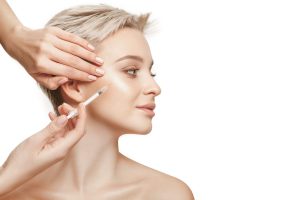
This palpable move toward subtle, preventive approaches is also reflected in the increasing use of Botox and dermal fillers. More people are turning to these non-surgical cosmetic treatments to maintain youthful skin rather than correct it, signaling a broader shift away from surgical procedures that once dominated the cosmetic industry.
Despite both being popular choices, it’s important to know the difference before getting either. They’re not as interchangeable as short-form social media videos would make you think. So what is the difference between Botox and dermal fillers, and how do you choose between them?
Are you noticing forehead lines, crow’s feet, or those stubborn frown lines between your eyebrows? Do you want to prevent those lines from deepening, or achieve a subtle lift without surgery? Botox might be the answer.
Botox injections use a purified form of the botulinum toxin to temporarily block certain chemical nerve signals that cause your facial muscles to contract. While this toxin is related to the one that causes botulism, it is carefully refined and administered by licensed healthcare providers to meet the medical control standards set by the Food and Drug Administration (FDA).
The toxin has seven known serotypes (strains of microorganisms) designated A through G, with Type A being the most commonly used in cosmetics. Botulinum Toxin Type A is the active ingredient in the Botox treatment, helping smooth the appearance of wrinkles caused by facial movements such as frowning, squinting, and smiling.
Botox for wrinkles is commonly injected into areas like the forehead to soften horizontal lines, the outer corners of the eyes to reduce crow’s feet, and between the eyebrows to relax frown lines. This helps create a smoother, more refreshed appearance.
Results usually become noticeable 3–7 days after injection and will look their best starting around 2 weeks. The toxin will gradually lose its effect after 3–6 months, and as muscle activity returns, many people schedule follow-up treatments every 3–4 months to maintain the results.
While Botox targets dynamic wrinkles, dermal fillers focus on what time takes away: volume and structure. You may notice sagging skin, hollowed cheeks, or deepening folds around your mouth. These can be caused by the fact that we naturally produce less collagen as we age. That’s where dermal fillers come in. This non-surgical injection helps replenish the volume you’ve lost around areas like your cheeks, lips, and under eyes for a smoother, more rejuvenated look.
The most common type of dermal fillers is hyaluronic acid (HA), a naturally occurring substance in your skin that helps with facial volume restoration and hydration. Dermal fillers are injected into your skin with a fine needle in areas where you’ve lost collagen due to aging, weight changes, or natural collagen decline.
Common areas where these facial fillers are being injected include:
There are many types of dermal fillers aside from the popular hyaluronic acid option, which can last from 6 months to a year. Some of them include:
Remember: When it comes to a Botox vs. dermal fillers comparison, one thing is clear: Always consult your doctor and follow their instructions to achieve your ideal results.
There are many types of dermal fillers aside from the popular hyaluronic acid option, which can last from 6 months to a year. Some of them include:
| Category | Botox | Dermal Fillers |
|---|---|---|
How They Work | Uses purified botulinum toxin to temporarily relax facial muscles, reducing dynamic wrinkles caused by movement. | Uses substances like hyaluronic acid to add volume, fill wrinkles, and restore facial contours. |
Treatment Areas | Forehead, frown lines (between eyebrows), crow’s feet (outer corners of eyes), and sometimes jawline or neck bands. | Cheeks, lips, under eyes (tear troughs), nasolabial folds (smile lines), marionette lines, jawline, and temples. |
Results & Duration | Results appear in 3–7 days, peak at 2 weeks, last 3–6 months; repeat treatments maintain results. | Immediate results, lasting 6–24 months depending on filler type and treatment area; touch-ups needed for maintenance. |
Downtime & Recovery | Minimal downtime; slight redness, swelling, or bruising may occur at the injection site. | Minimal downtime; mild swelling, redness, or bruising possible, sometimes more noticeable than Botox. |
Cost Considerations | Typically less expensive per area than fillers; costs vary by provider and units used. | Usually more expensive per syringe; total cost depends on the number of areas treated and the amount of filler needed. |
Your Safety Comes First at Allmed Vitality
Choosing correctly between Botox and dermal fillers to improve your target area can have a significant impact on achieving your aesthetic goals. Moreover, you also need a trustworthy licensed cosmetic surgeon who will provide you with the safest yet premier filler treatments.
At Allmed Vitality, you don’t have to choose between safety, results, and experience. Our treatments are performed by trained medical professionals who follow strict safety standards and best practices, with full medical oversight from consultation to aftercare. Should you ever need follow-up care, you’re supported every step of the way.
When it comes to cosmetic injectables, experience and credentials matter just as much as technique. With Allmed Vitality, you can have it all: expert care, premier treatments, and peace of mind.
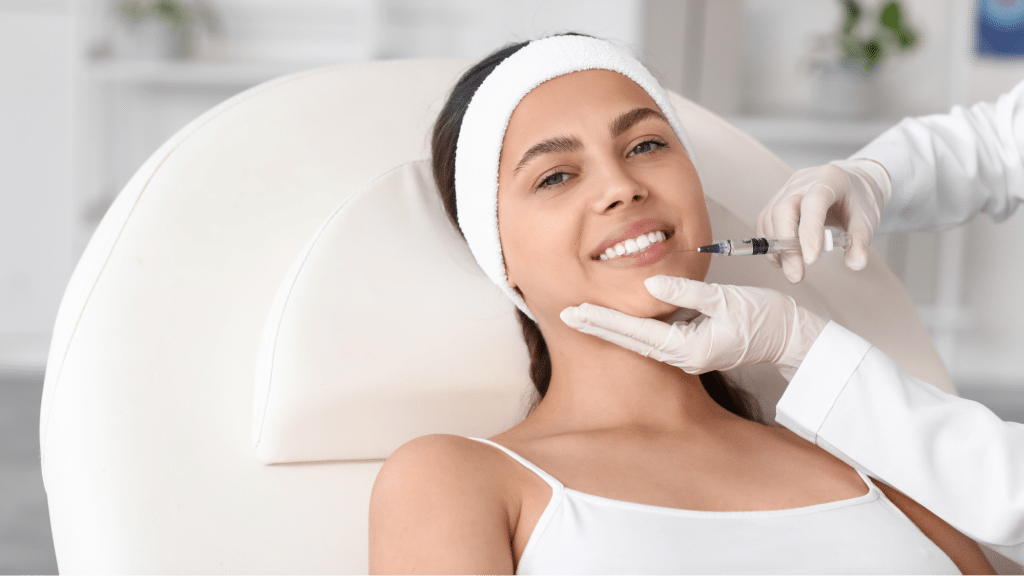
It depends on the type of filler and the area treated. Most hyaluronic acid fillers last 6 to 18 months, with some longer-lasting formulas reaching up to 2 years. Touch-ups are common to maintain results.
Most people go back to their daily routine immediately after treatment. You might experience mild redness, swelling, or bruising for a day or two, but there’s generally no downtime. Avoid vigorous exercise or massaging the treated areas for the first 24 hours.